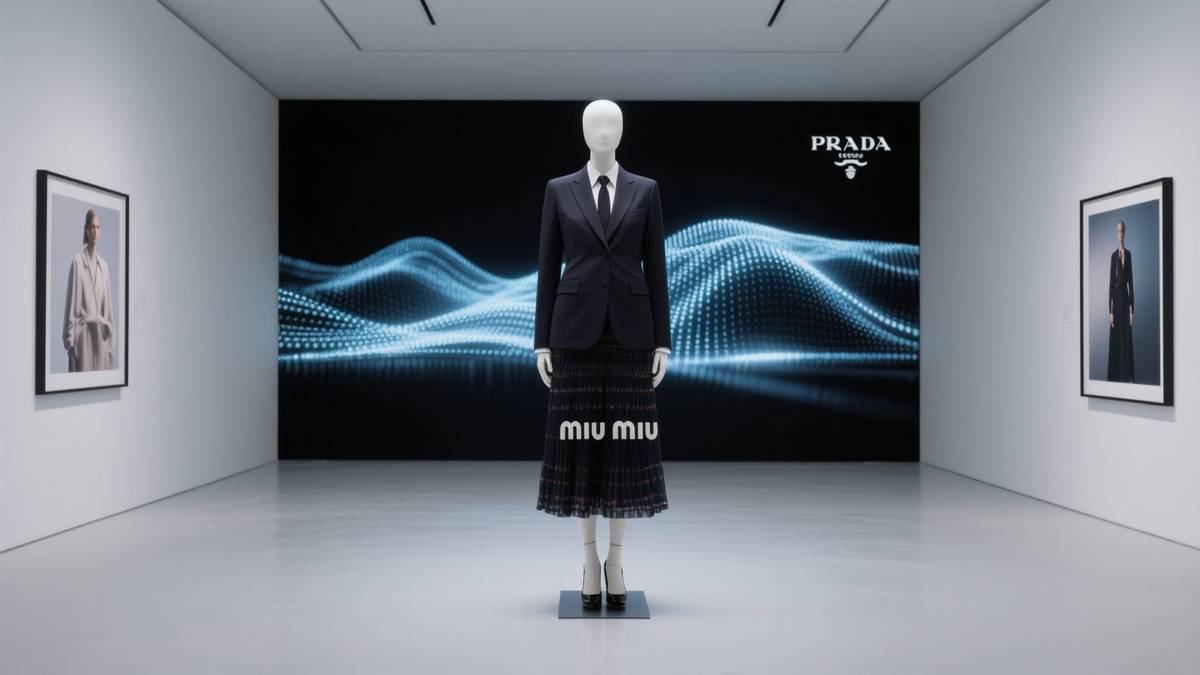
The much-anticipated sequel to ‘The Devil Wears Prada’ arrives in a world vastly different from its predecessor. Two decades ago, the original movie epitomized elite fashion, influencing a generation and symbolizing职场 power and status. However, the sequel’s release has been met with mixed reactions, reflecting a shift in attitudes toward luxury brands like Prada. The brand has experienced a downturn, with retail sales declining for three consecutive quarters and stock prices mirroring levels from a decade ago. Today’s audience scrutinizes brands for their intrinsic value rather than perceiving them as unattainable symbols of status. Prada’s journey over the past two decades—from rapid expansion to navigating digital waves to leveraging multi-brand strategies—provides insights into the luxury industry’s survival tactics.
From movie marketing to dual leadership, Prada’s two decades have been marked by a rebellious growth. The original movie influenced fashion perceptions among the youth, with the lead character’s assertion that trends are ‘power games’ within a small circle, controlled by a few top brands. Prada’s distinctive style has been its hallmark since its inception, with its ‘rebellious’ spirit and ‘intellectual’ aura under the leadership of its third-generation successor, Miuccia Prada. This unique ‘rebellious’ character has been Prada’s core strength through various transformations and economic cycles.
Between 2006 and 2013, Prada capitalized on global expansion, leveraging movie marketing and a focus on the Asian market. The success of ‘The Devil Wears Prada’ and ‘Mission: Impossible – Ghost Protocol’ significantly boosted brand recognition and sales. Prada’s decision to list in Hong Kong in 2011 was a bold move that paid off, as it aligned with the luxury consumption boom in Asia.
However, from 2014 to 2019, Prada faced a period of transformational pain. It missed opportunities in the e-commerce revolution and faced overexposure of its brand image. Despite these challenges, Prada made significant adjustments, embracing digitalization and targeting a younger demographic.
From 2020 to 2025, Prada underwent transformations with the addition of Raf Simons as co-creative director and the growth of its sister brand, Miu Miu. The brand also expanded its portfolio with the acquisition of Versace. Despite these strategic moves, Prada faces market differentiation and the dissolution of ‘fashion power,’ with consumer demands becoming more diverse and the younger generation less brand-centric.
The luxury industry, including Prada, must now adapt to a decentralized era where brand authority is diminishing. Engaging with the market and consumers on equal terms is the new paradigm. Prada’s experiences over the past two decades offer valuable lessons for the industry on maintaining brand essence, adapting to changes, and coexisting with market realities.
标签: Fashion Industry
-

Prada’s Transformation Amid Fashion Industry Shifts